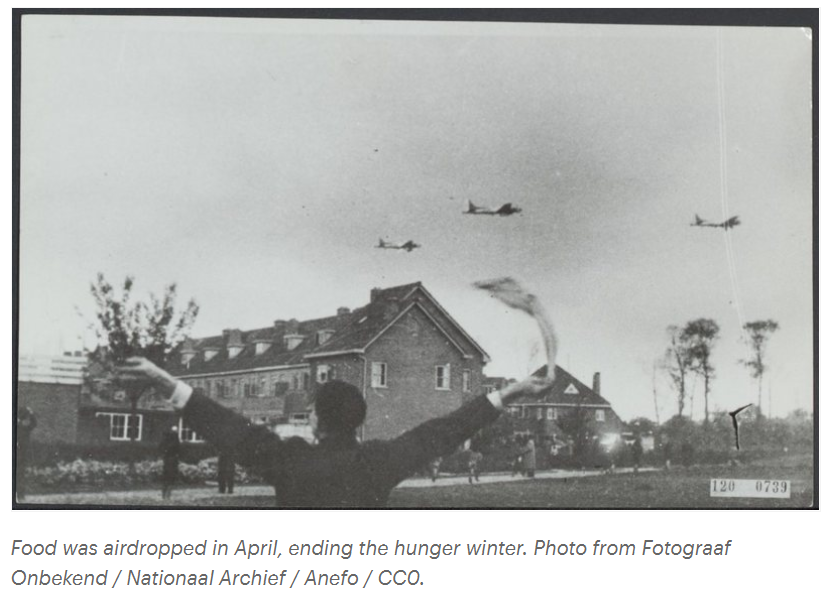
In the winter of 1944, the city of the Hague was going hungry. In fact, all the cities of the western Netherlands were hungry. Railway workers and the country’s government in exile had defied German occupiers with a strike. In response, the Nazis significantly cut off the country’s most populated region from food supplies. The canals also froze, making transportation and escape impossible. What resulted was the “hunger winter,” a famine of unprecedented scale.
If you don’t believe markets should be regulated then, if you trade or invest in crypto for a year or two, you soon will. While the financial press has always been flooded with histories of dodgy dealings in finance, many of the old scams have long since been driven out of the mainstream system. They are however alive and well in crypto.
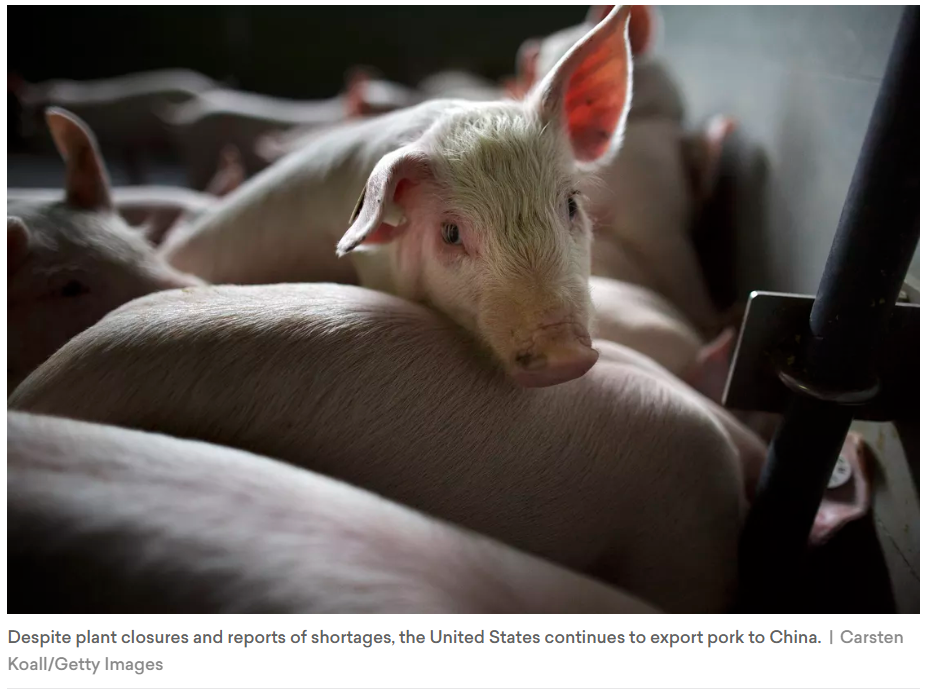
If you go to Wendy’s this week, there’s a good chance you won’t be able to get a hamburger. Go to the supermarket and you’ll probably see some empty shelves in the meat section. You may also be restricted to buying one or two packs of whatever’s available. Try not to look at the prices. They’re almost definitely higher than what you’re used to.
You might have seen the cartoon: two cavemen sitting outside their cave knapping stone tools. One says to the other: ‘Something’s just not right – our air is clean, our water is pure, we all get plenty of exercise, everything we eat is organic and free-range, and yet nobody lives past 30.’
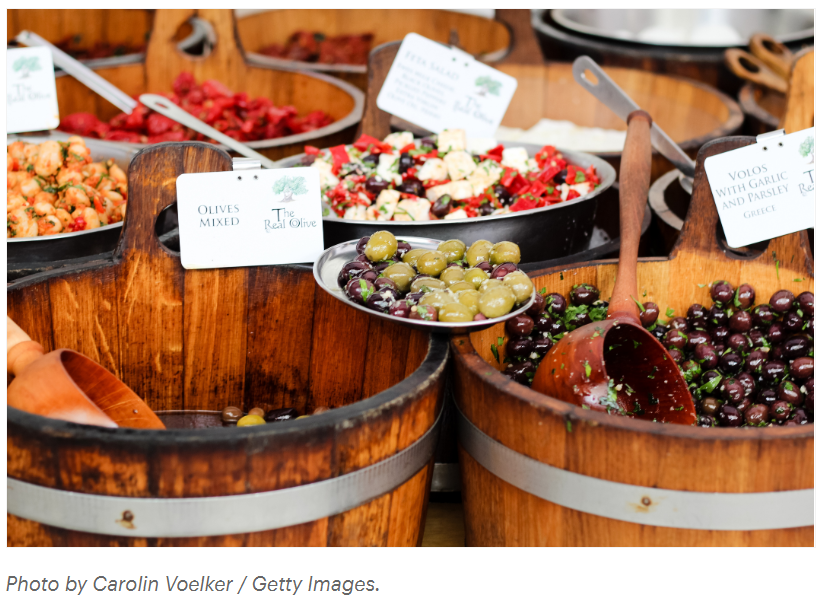
If you eat mostly fruits, vegetables, grains, carbs, and non-meat proteins, plus a moderate amount of seafood and dairy products, you’re following the so-called “Mediterranean diet” based on the food traditionally eaten by people in the Mediterranean region, and you have a reduced risk of heart disease. But there’s a major catch, according to a 2017 report on the ongoing “Moli-sani Study” published in the International Journal of Epidemiology: The health benefits were more often experienced by wealthy eaters, because high-quality food in the diet doesn’t come cheaply.
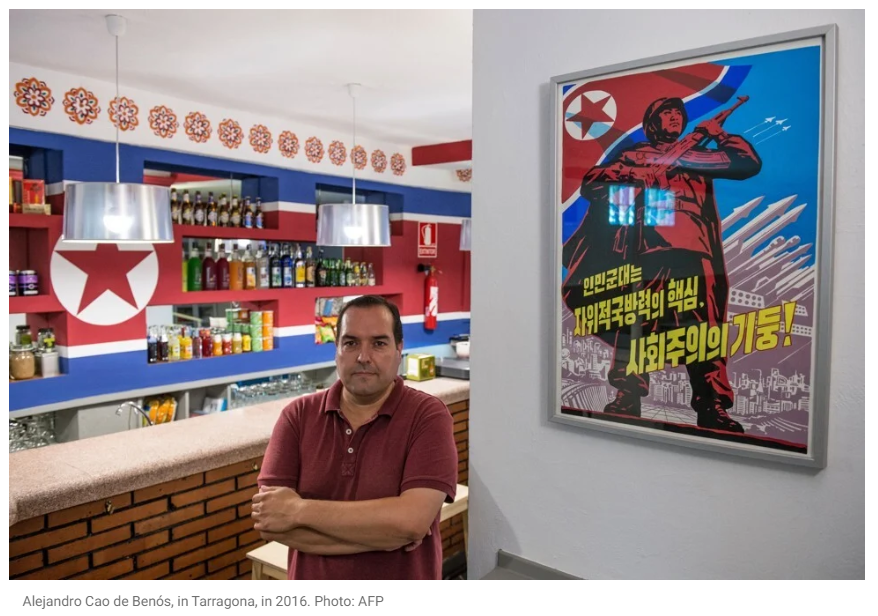
The message from Dubai in late 2018 wasn’t unusual. It’s just part of daily life for Alejandro Cao de Benós to open his email and find some intrepid capitalist who wants to do a little business in North Korea.
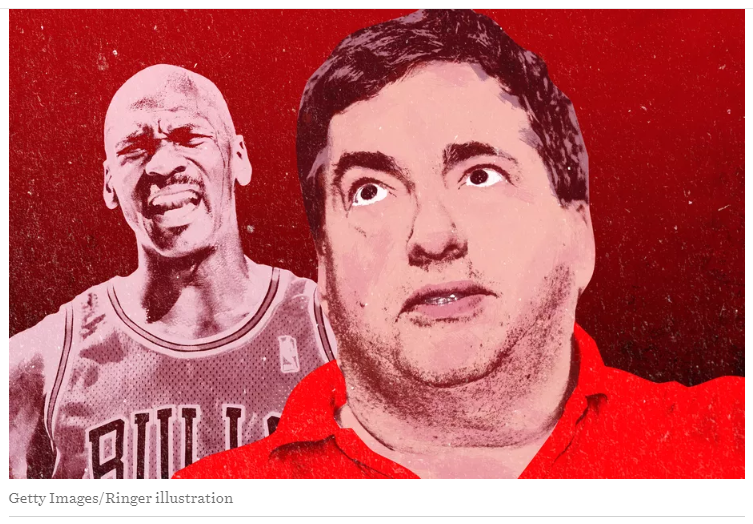
The hero of The Last Dance is obvious: It’s Michael Jordan, the greatest basketball player of all time. The series also has an obvious villain, and it’s not any of the teams Jordan played against: It’s Jerry Krause, the general manager who intentionally dismantled the 1990s Bulls in a foolish attempt to prove his own worth.
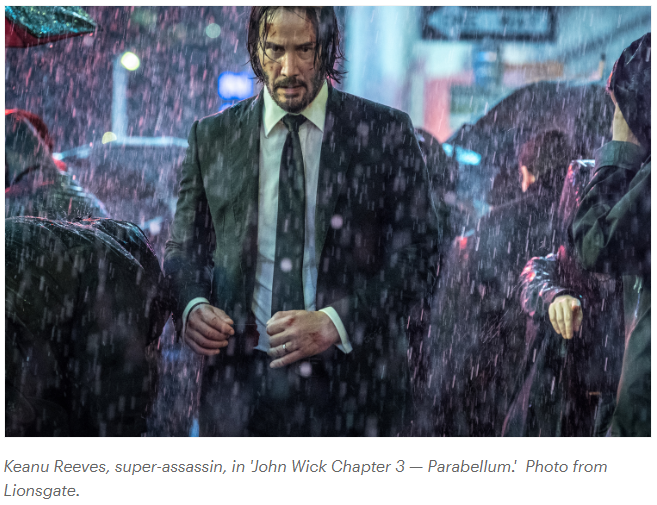
It was just a guy’s name. You could guess that he was played by Keanu Reeves, given that we’d seen laughing with a woman over a meal and kissing her against a picture-postcard vision of Manhattan’s skyline. Then we go from Sad Keanu sitting bedside in a hospital to Sadder Keanu standing graveside as a coffin is lowered into the ground. Later, he gets his wife’s posthumous gift to him: a puppy. The man and his dog, who is indeed adorable by any standard, tool around in his vintage Mustang. We know something else happened, because we’ve also briefly glimpsed Bloody Keanu, lying battered on a warehouse floor. But as far we knew, this was a movie about a gentleman — he’s called John — who lives in an exceedingly well-furnished apartment, is deep in the throes of grief and has only his faithful companion to help him move on. Maybe the pooch will teach him how to love again. Maybe he’ll meet someone nice at the dog park. The title told you nothing. It was just a guy’s name.
In Argentina in the early 1970s, leftist guerrillas started snatching executives of multinational companies and demanding ransoms. This culminated in the payment of $60 million to the Montoneros, a Peronist guerrilla group, for the release of the brothers Juan and Jorge Born, executives at the grain-exporting firm Bunge & Born and the sons of its president. The ransom seems noteworthy for its heft—at about $275 million in today’s money, it stands as the largest one paid in a conventional kidnapping case. (In 2017 Qatar reportedly paid $1 billion to an al-Qaeda affiliate and Iran to win the release of a royal hunting party.) But perhaps what makes the Born case more unusual in the history of the ransom trade is the fact that Jorge himself negotiated the price while captive. He had intimate knowledge of the company’s finances and thus had a precise sense of how much money could be raised—though not, crucially, how much ought to be paid. The deal he struck was delivered to Born père, who had refused the initial demand of $100 million, as a signed memorandum.